DEY DEY
This story began with a single family memory- a burial ritual passed down generations. The memory was a seed, planted in the soil, the water, the clay and shells, to tell about a people.
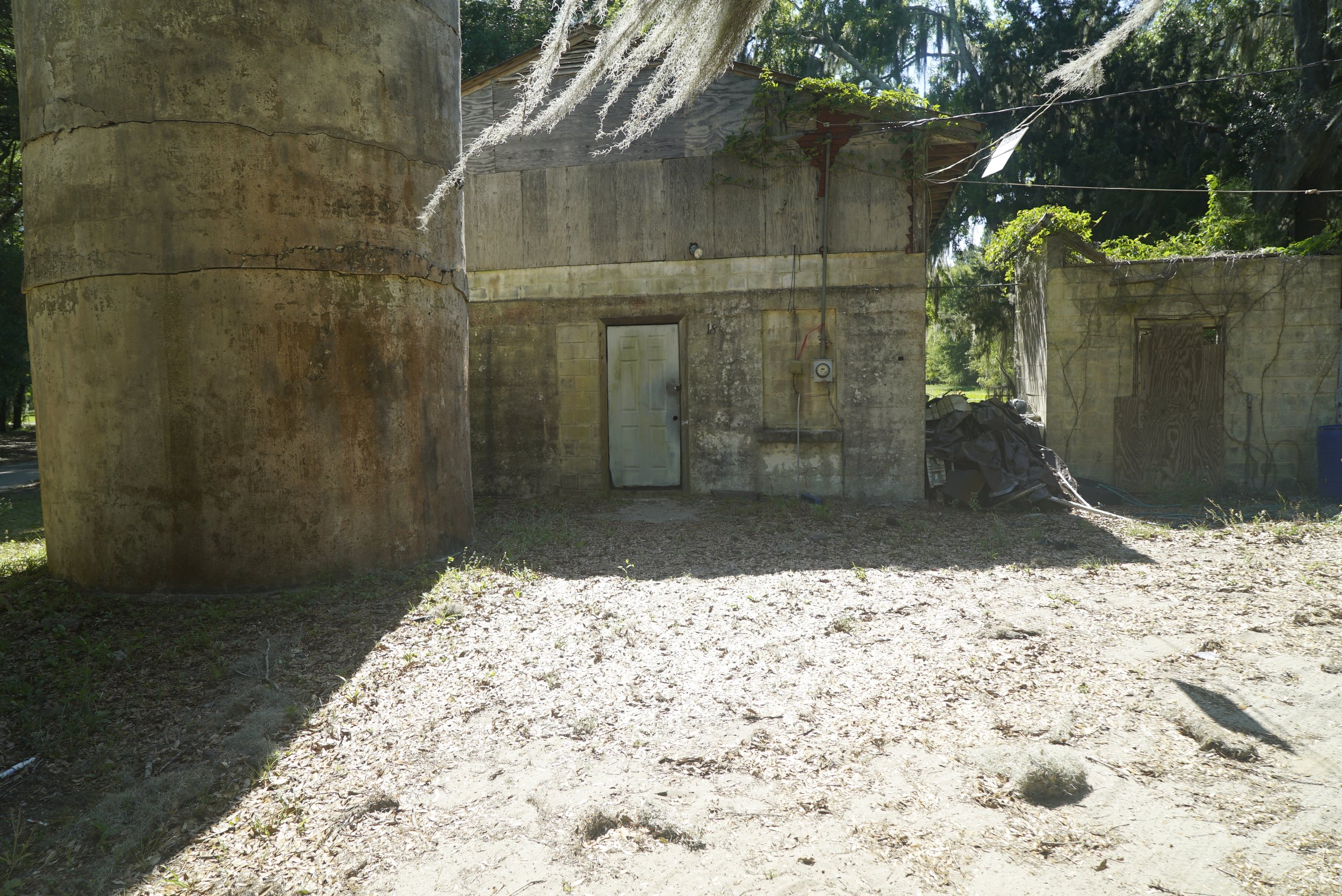
Middleton Place Plantation, Charleston South Carolina
At the age of six, my great aunt navigated the rice fields near Pawley's Island, South Carolina during Jim Crow. Young and sleepy she woke up with her mother around 2am to be picked up on the side of the road, hitching a ride to Lichfield Plantation. They worked until the sun came up and went down. Wages for the days labour ranged between $2- $3 dollars.
“I remember weh use tuh do all sorts of tings. Like passin deh chillun oba de grave. Yeah I was pass once. But like I say, we dun talk like dat no mo, we Christain folk ”
Dey Dey is an ongoing research and creative project exploring how memory, movement, and geometry intersect within Gullah cosmology. What began as fragments of family oral history has grown into a multimodal investigation that moves across drawing, choreography, photography, screendance, and emerging spatial technologies. Each medium becomes a different way of tracing how knowledge travels through generations when written records are incomplete or absent.
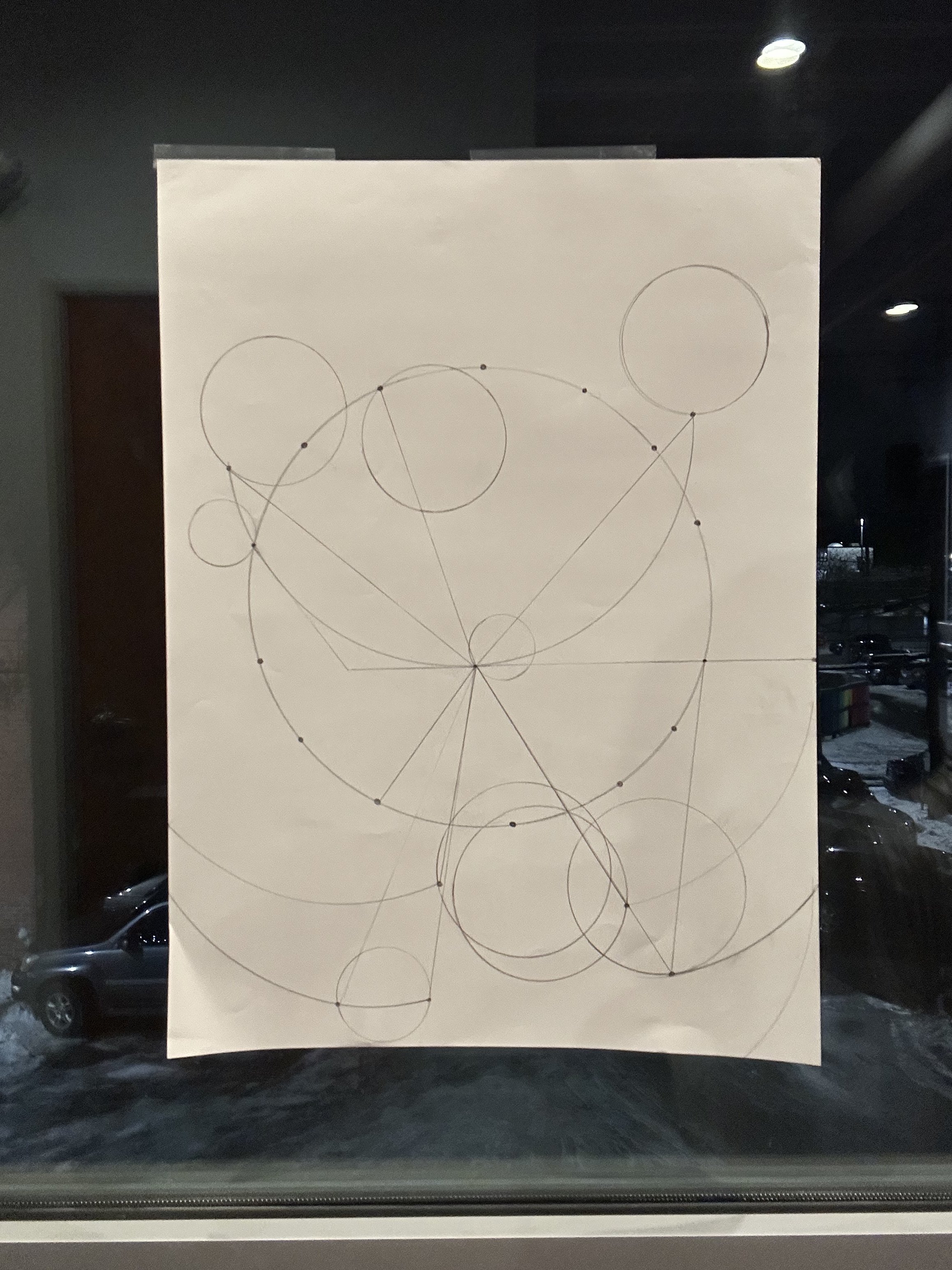
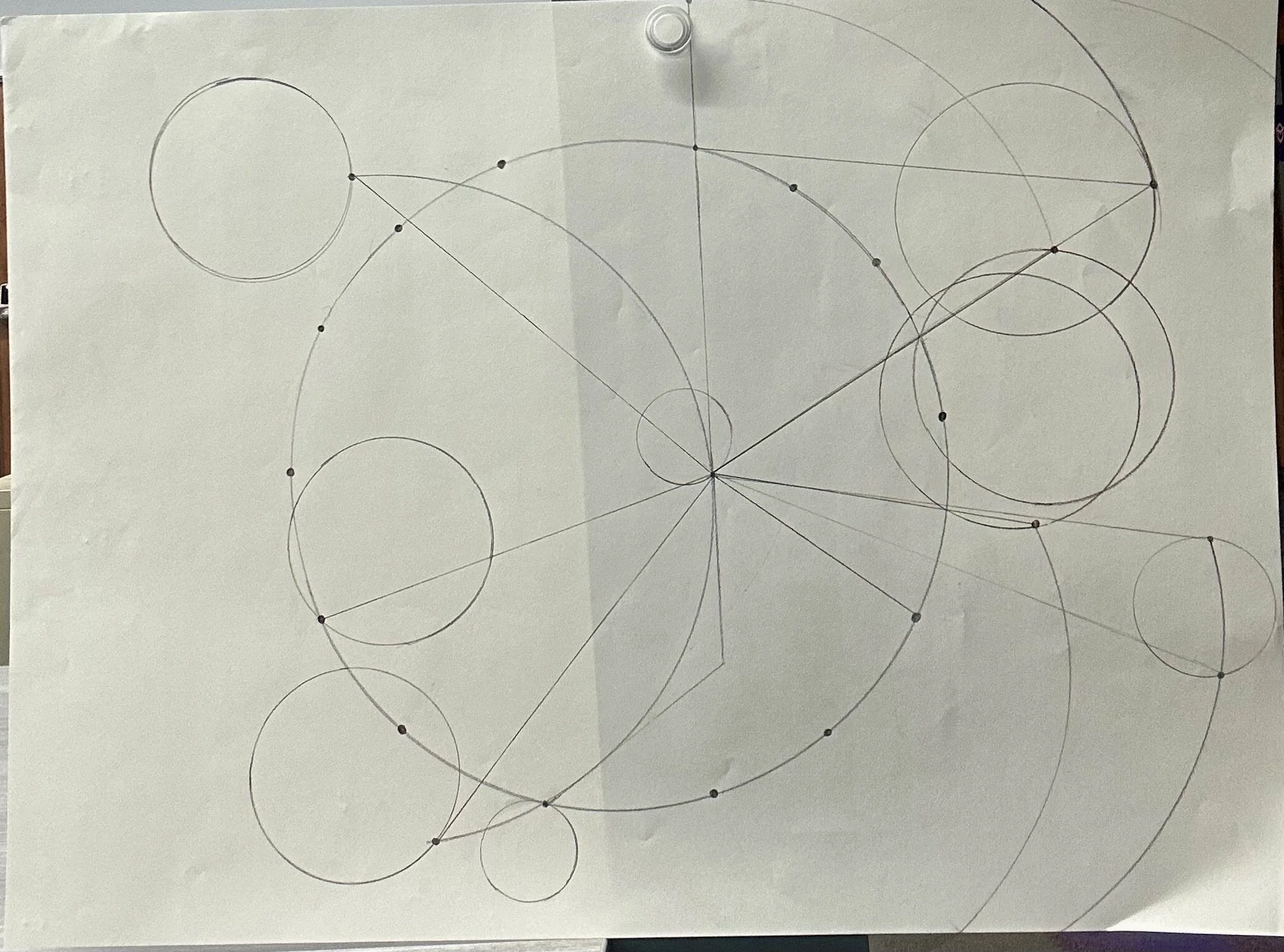
At the center of the project is a hand-drawn visualization developed from a childhood memory of a burial tradition in which children were passed over a grave to mark the transition between generations. This drawing functions as both a conceptual map and a kinetic score. It guides a growing body of movement-based work in which the body becomes a tool for studying circles, loops, and cycles as expressions of time, life, death, and continuity within Gullah worldviews.
This page documents the project as it unfolds. It gathers drawings, movement experiments, oral histories, and early technological prototypes into a single evolving digital narrative. As the work develops through archival research and collaborative partnerships, this space will continue to grow as a living record of the process.
Drawings & Geometry
The project begins with drawing as a research method. Using fragments of oral history as a starting point, I develop hand-drawn studies that explore how circles, loops, and repeating forms appear across Gullah cultural traditions. These drawings are not illustrations of stories but attempts to map a worldview. They investigate how ideas about time, ancestry, and spiritual transition can be expressed through spatial form.
Sacred geometry appears across many cultures as a way of making sense of the natural world. In this project, drawing becomes a way of asking what geometric language might emerge from Gullah cosmology when approached through memory and lived experience. The resulting compositions function as conceptual maps and as movement scores, laying the foundation for choreography that translates these forms into embodied gestures.
Immersive Contemporary Dance
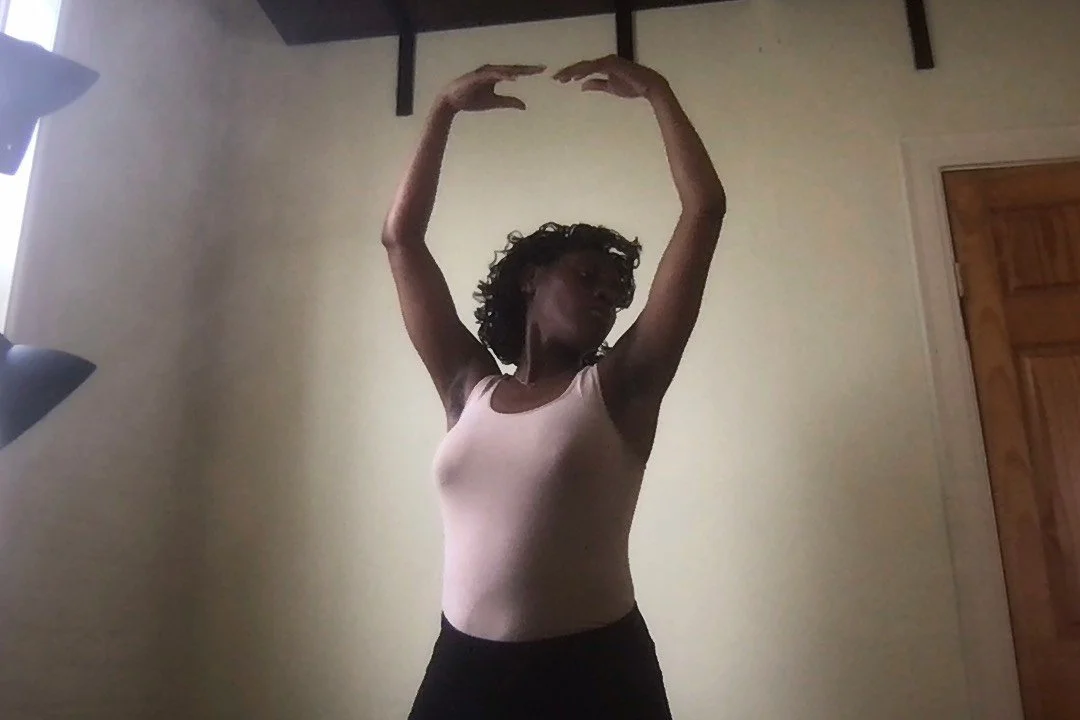
The drawings move into the body through choreography and movement experiments. Using the geometric studies as a starting point, I translate loops, crossings, and circular pathways into gestures, poses, and sequences of motion. Improvised studio sessions, rehearsals, and still photography become ways of testing how these forms behave in space and how they might communicate meaning without words.
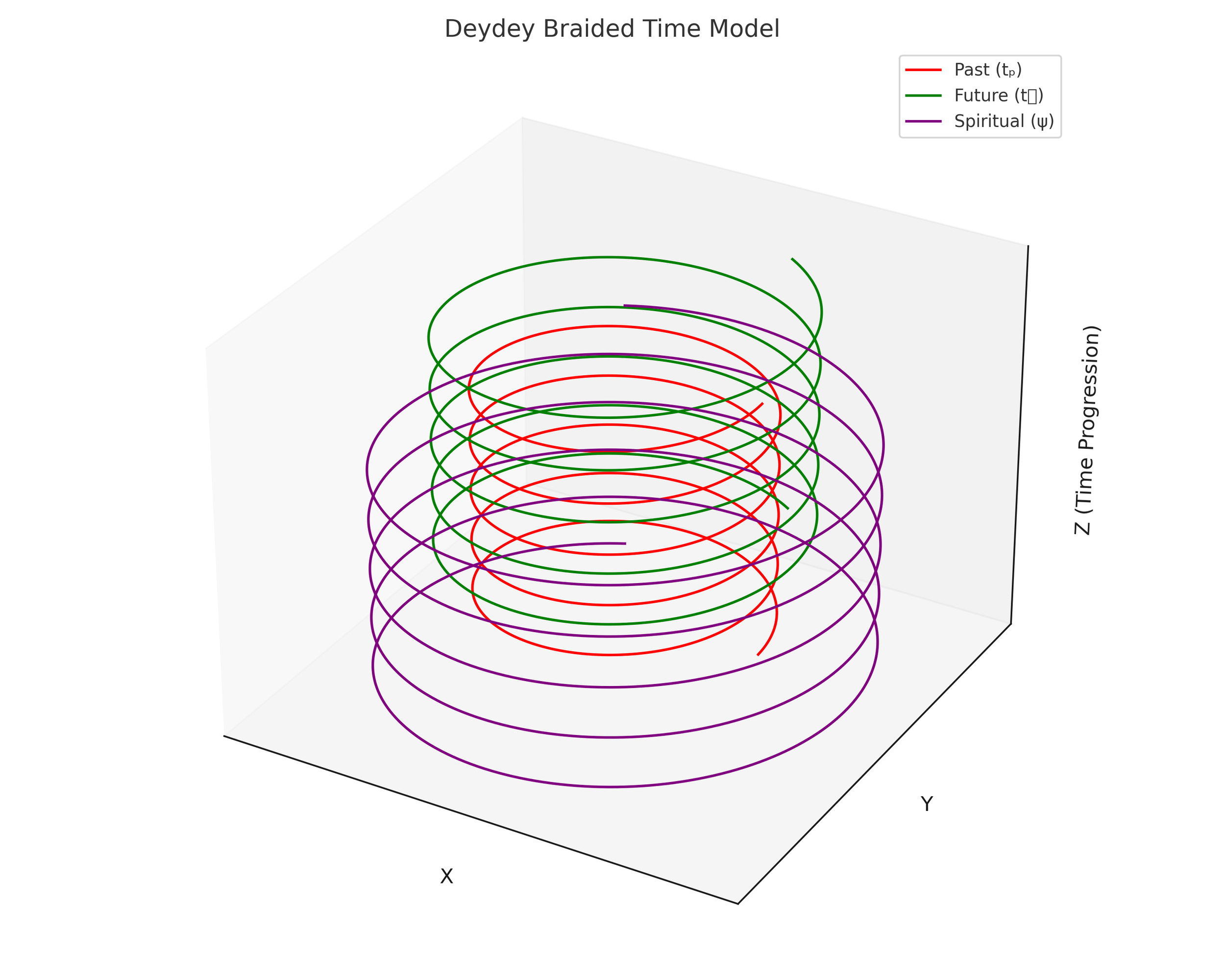
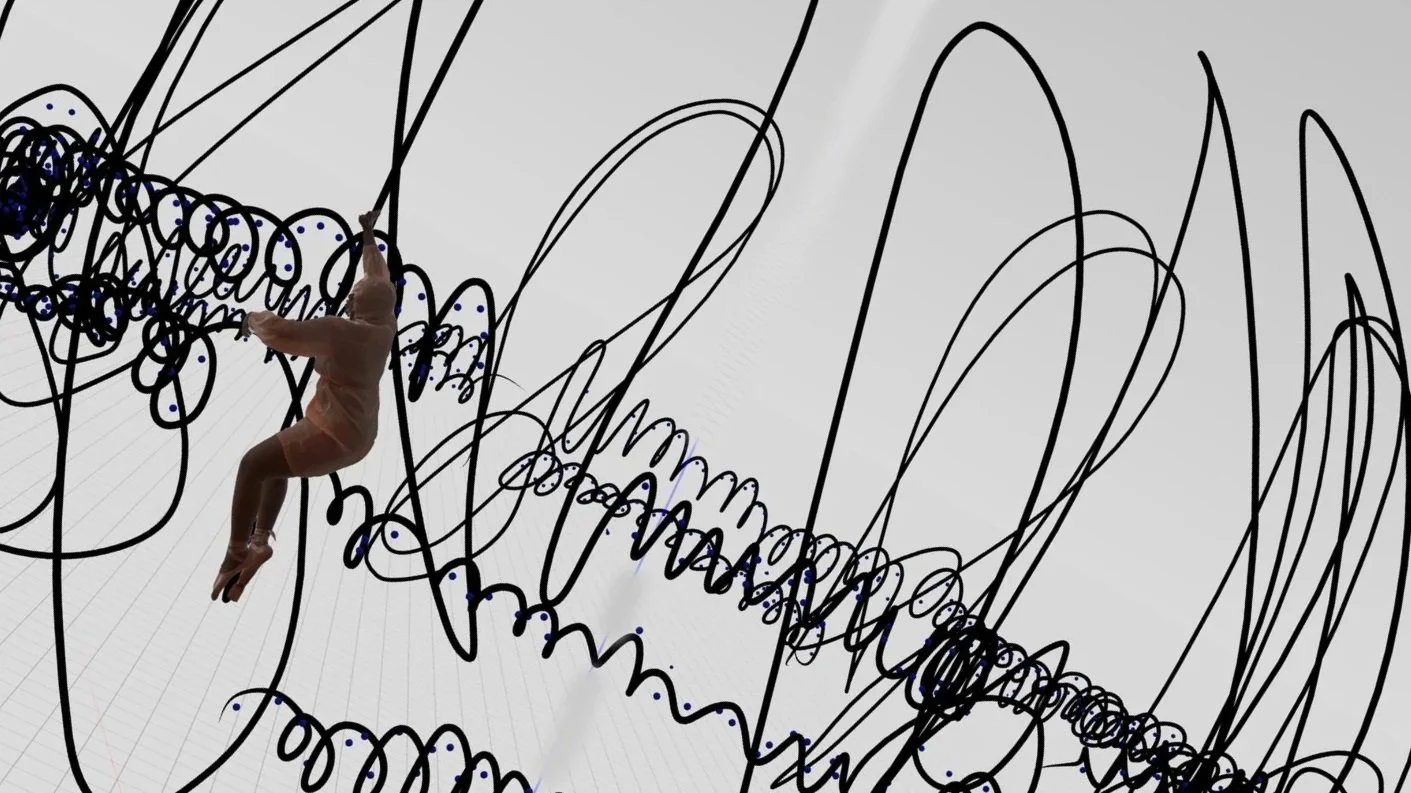
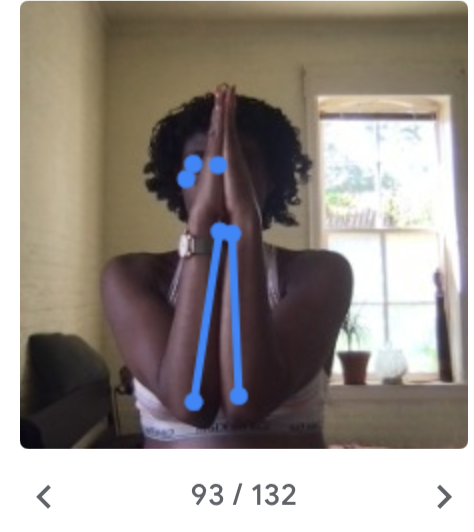
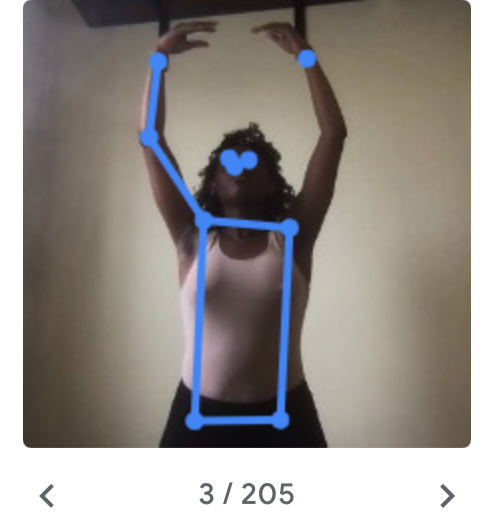
Alongside these movement studies, I experiment with computer vision and gesture-recognition tools to explore how dance becomes legible as data. Screenshots from machine learning interfaces, motion experiments, and early VR sketches document an ongoing process of asking how movement can be translated, labeled, and visualized through technology. These experiments are not attempts to fix or standardize the dance, but to investigate what is gained and lost when embodied knowledge is interpreted through digital systems.
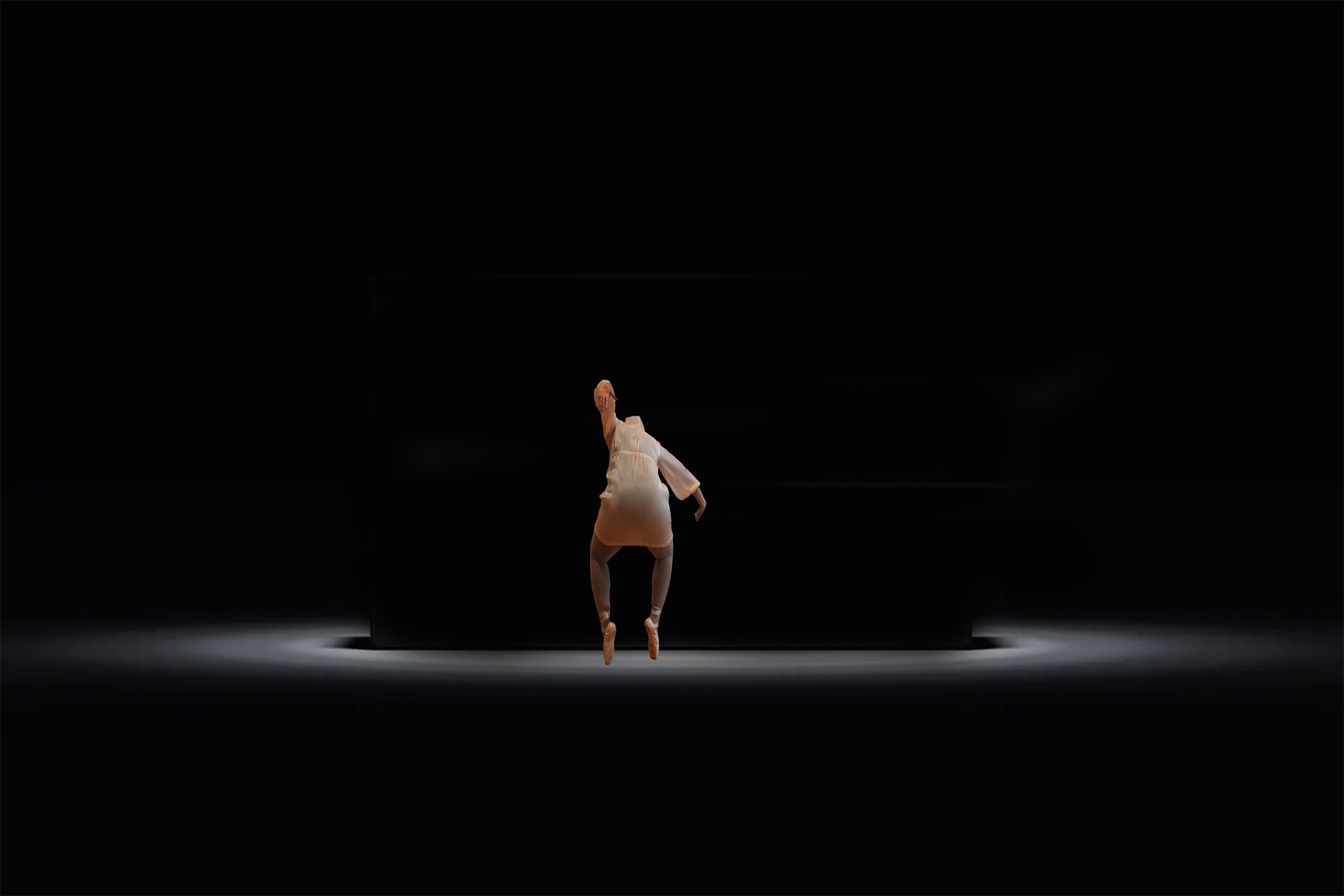
This stage of the project treats choreography as both performance and dataset, opening a path toward future work in motion capture, spatial visualization, and immersive environments where viewers may one day encounter the geometry of the dance in real time.
Archival Research
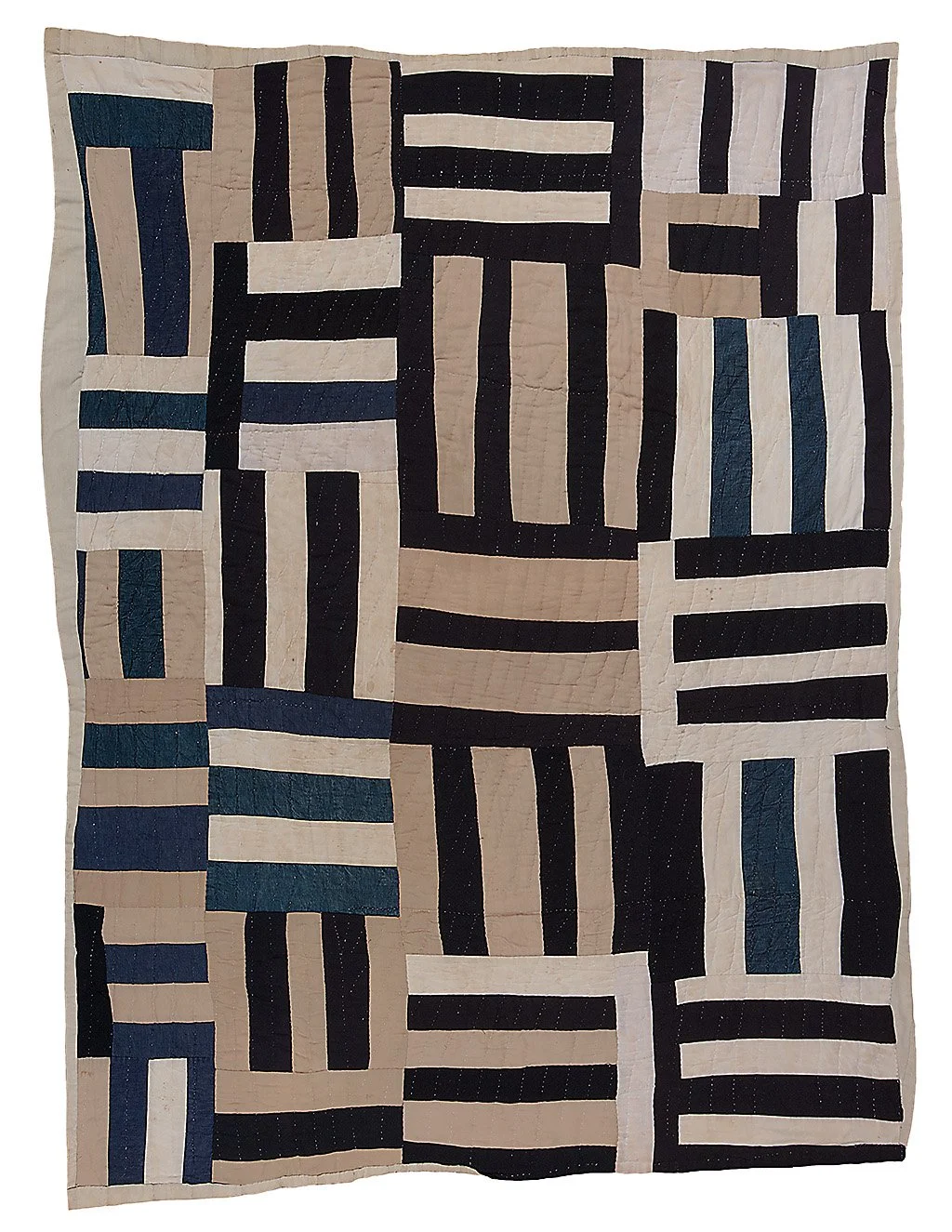
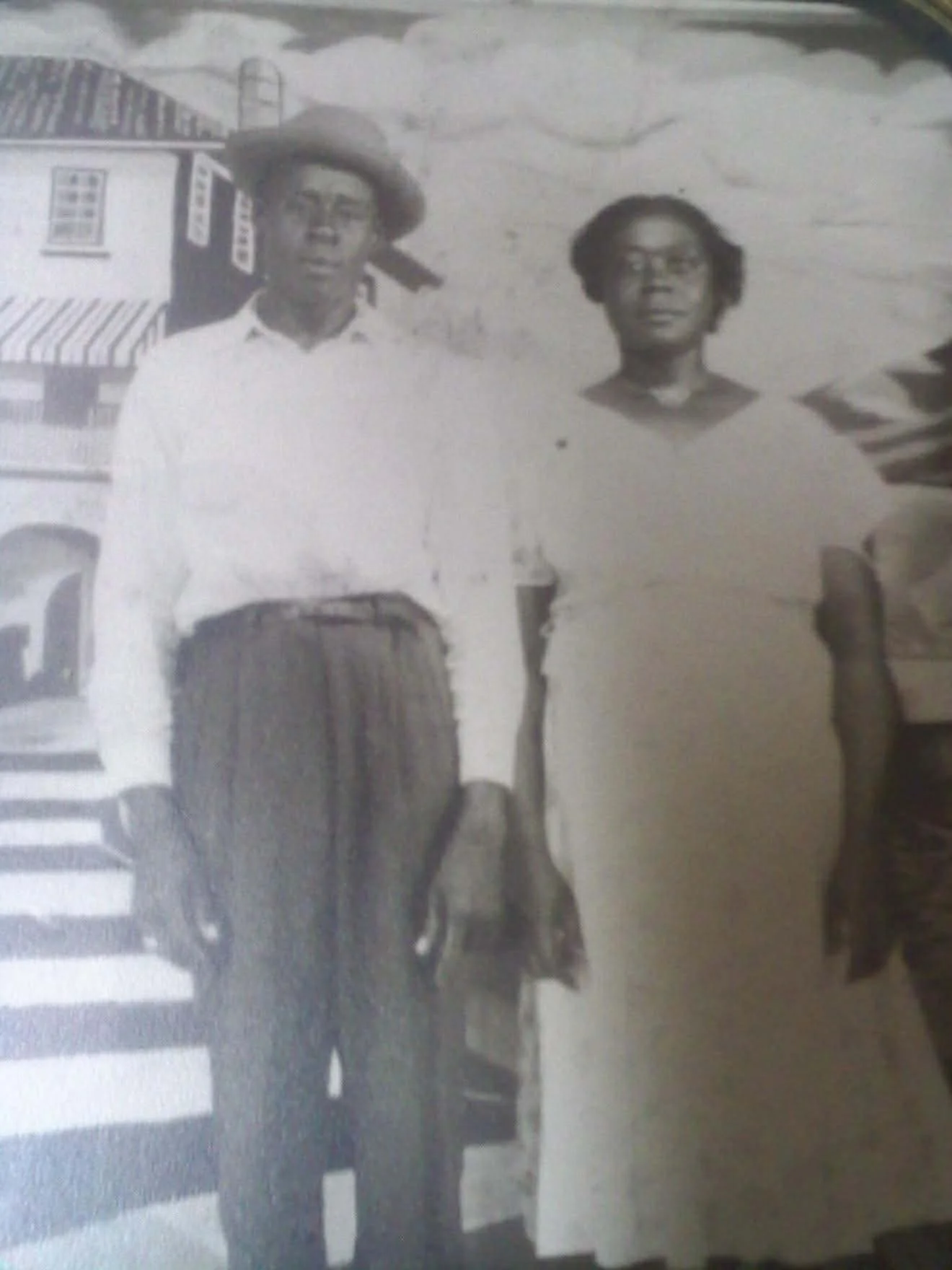
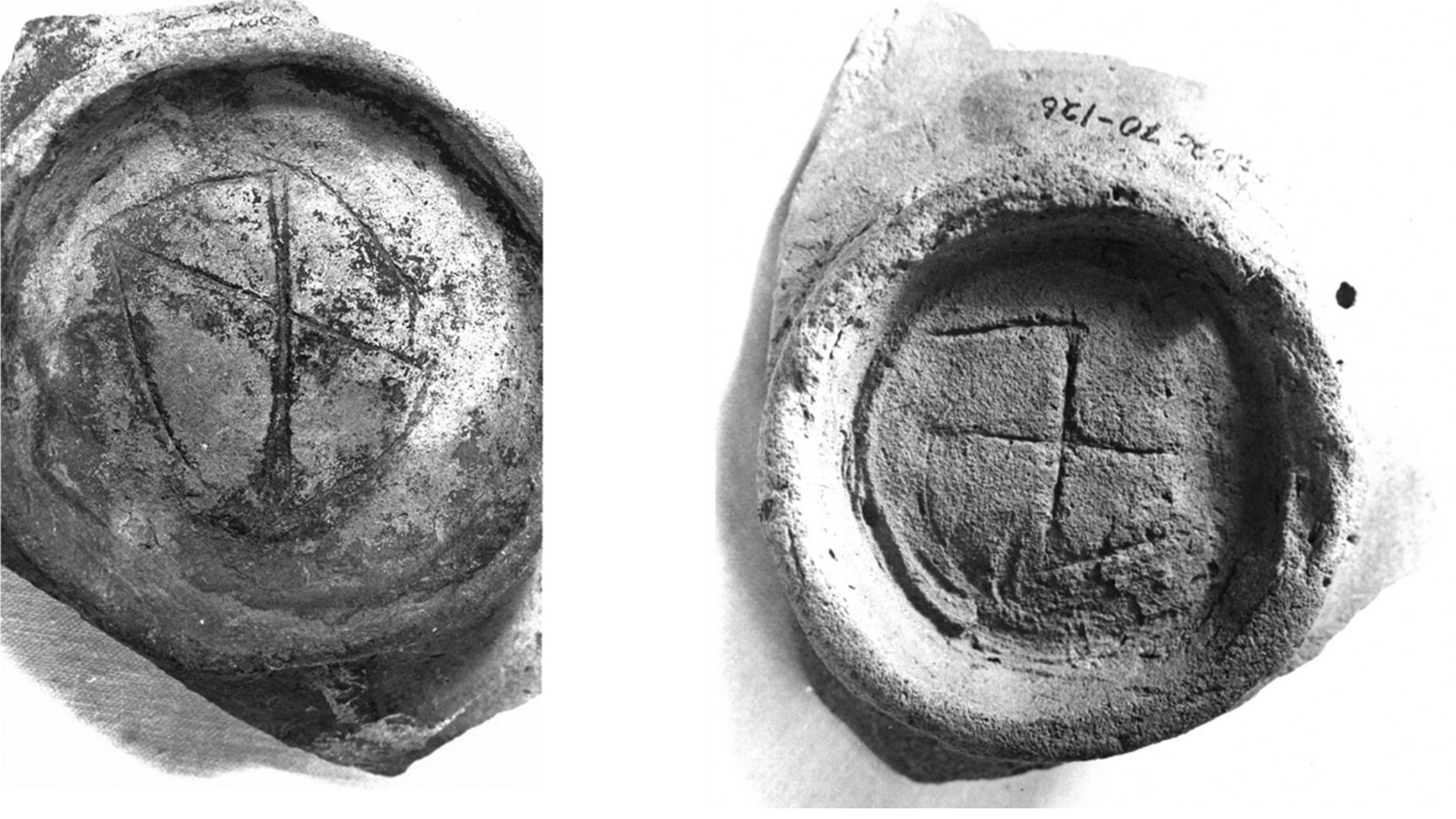
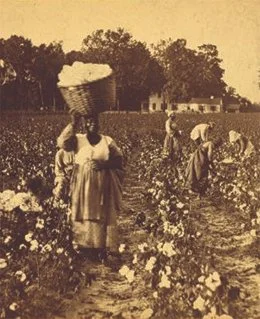
Alongside drawing and movement experiments, this project is grounded in archival research exploring the cultural practices, material objects, and visual histories connected to Gullah and African American life in the coastal South. Family photographs, historical images of agricultural labor, Gee’s Bend quilts, and colonoware vessels form a growing body of reference material that expands the project beyond personal memory into shared cultural history.
These materials reveal how knowledge has long been encoded through everyday practices—through textiles, agriculture, craft, ritual, and domestic life. Patterns in quilts, markings in clay vessels, and the spatial organization of labor and landscape all point toward systems of meaning that extend beyond written documentation. Studying these materials helps situate the project within broader histories of cultural continuity, adaptation, and survival.
This research stage asks how these visual and material traditions might deepen an understanding of Gullah cosmology and its geometric language. By placing family oral histories in conversation with archival materials, the project seeks to build a bridge between personal memory and collective record, expanding the visual vocabulary that informs the drawings, choreography, and technological experimentation that follow.
Data That
Tells a Story
As archival research expands, materials are cataloged and grouped according to the cultural practices they represent. This early classification experiment explores how visual and material traditions can be translated into geometric concepts that inform the project’s drawings and movement studies. Initial categories emerging from this research include ritual and spiritual practices connected to cycles and circles, agricultural labor and landscape connected to lines and repetition, textile and craft traditions connected to angles and intersections, domestic and material objects connected to vessels and boundaries, and movement traditions connected to spirals and looping pathways.
Rather than presenting conclusions, this chart documents the beginnings of a research dataset that connects cultural practices to recurring spatial patterns. This evolving dataset will continue to grow as new archival materials and oral histories are added, helping guide future experiments in motion capture, spatial visualization, and immersive storytelling.